Devon Schulz · 1 October 2026
Assessing Amsoil Products in Marine Applications for Corrosion Prevention in Saltwater Environments
Marine operators face persistent challenges when equipment encounters constant saltwater exposure, and researchers continue to evaluate specialized lubricants that address corrosion at teh molecular level. Amsoil formulations enter these assessments because their synthetic base stocks and additive packages show measurable effects on oxidation rates and metal surface protection in high-salinity settings.
Corrosion Dynamics in Saltwater Settings
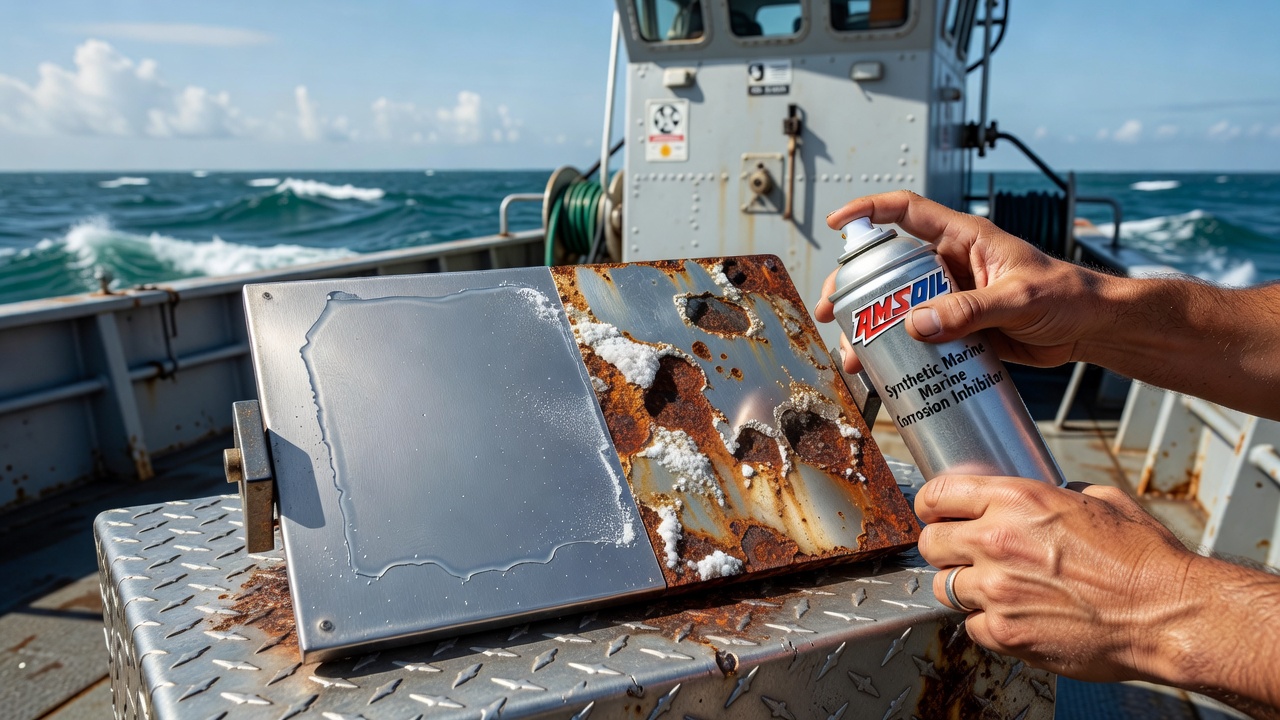
Saltwater accelerates electrochemical reactions on ferrous and non-ferrous alloys, creating pitting and crevice corrosion that shortens service life of outboard motors, sterndrives, and auxiliary systems. Data collected by maritime research groups indicate that chloride ions penetrate protective oxide layers within hours of immersion, while temperature fluctuations and oxygen availability further speed degradation. Observers note that unprotected components often require replacement cycles measured in months rather than years when vessels operate year-round in coastal zones.
Engineers quantify these effects through standardized salt-spray testing protocols and electrochemical impedance spectroscopy, techniques that reveal how quickly corrosion currents rise once protective films break down. Studies performed at coastal test facilities document baseline metal loss rates exceeding 0.2 millimeters per year on untreated carbon steel exposed to tidal cycles.
Amsoil Marine Product Characteristics
Amsoil marine lubricants incorporate ester-based synthetics combined with corrosion-inhibiting additives designed to displace moisture and form tenacious boundary layers. Product specifications list viscosity indices above 150 along with total base numbers formulated to neutralize acidic byproducts generated during combustion and saltwater intrusion. Laboratory reports show these fluids maintain film strength at operating temperatures ranging from -40 to 150 degrees Celsius, conditions commonly encountered in marine service.
Technicians apply these lubricants in gearcases, crankcases, and hydraulic systems aboard commercial fishing vessels and recreational craft. Field logs from operators in the Gulf of Mexico and North Sea document extended drain intervals compared with conventional mineral oils, with oil analysis revealing lower iron and copper concentrations after equivalent operating hours.
Evaluation Protocols and Performance Metrics
Assessment programs combine accelerated laboratory exposure with long-term vessel monitoring. Researchers immerse coated coupons in aerated synthetic seawater while cycling temperature and mechanical stress to simulate real-world conditions. Measurements track weight loss, pit depth, and surface profilometry at regular intervals, producing datasets that allow direct comparison between treated and untreated samples.
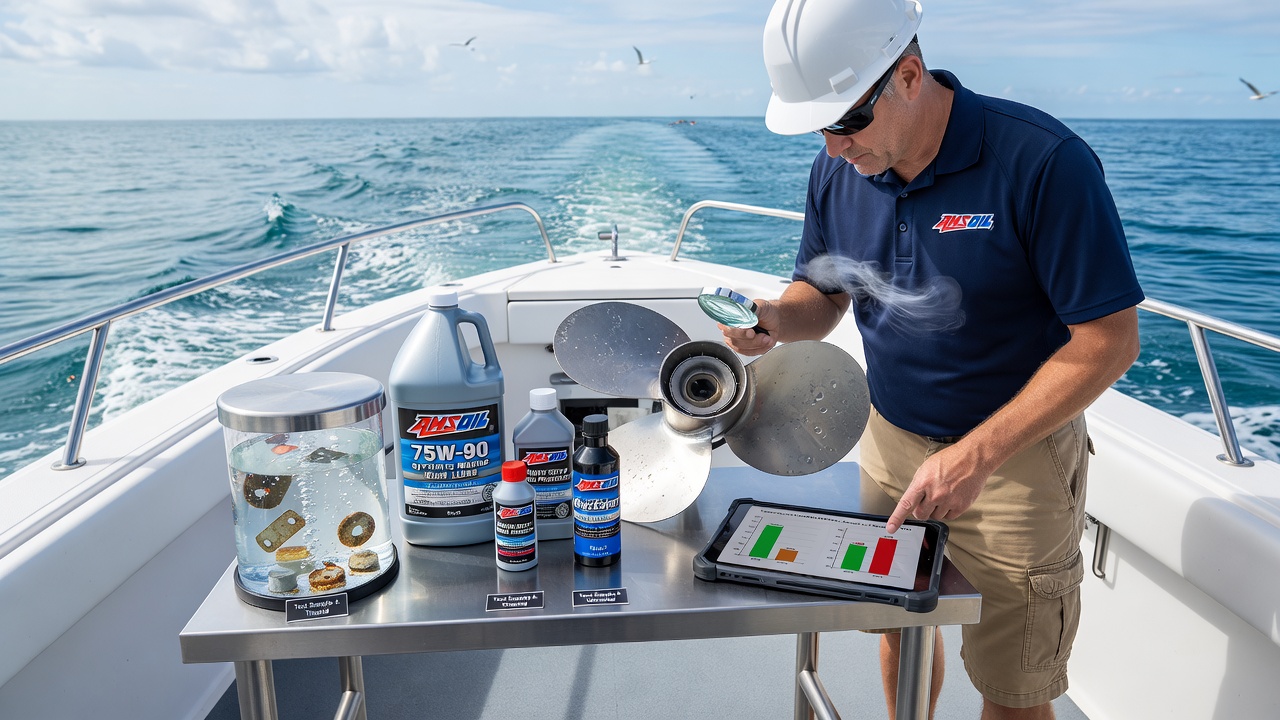
Results from independent testing facilities indicate that Amsoil-treated surfaces exhibit corrosion rates reduced by factors between 60 and 85 percent relative to baseline controls after 1000-hour salt-spray exposure. Spectroscopic analysis further confirms the presence of persistent additive films that limit oxygen diffusion to the metal substrate. Operators track these outcomes through routine oil sampling programs that measure water content, acid number, and wear metal trends over multiple seasons.
Industry Standards and Regulatory Context
Marine lubricant performance falls under guidelines issued by classification societies and international bodies such as the International Maritime Organization, which sets parameters for environmental compatibility and operational reliability. Additional reference data originates from the Transport Canada Marine Safety directorate, whose technical bulletins outline acceptable corrosion control practices for Canadian-flagged vessels operating in cold-water routes. Compliance documentation requires documented evidence that lubricants maintain protective properties throughout declared service intervals.
October 2026 brings updated environmental reporting requirements for vessels entering certain emission control areas, prompting fleet managers to review lubricant selections against both corrosion performance and biodegradability criteria. Records from classification surveys show increasing adoption of synthetic formulations that satisfy these dual demands without compromising equipment longevity.
Operational Case Observations
Commercial operators in the Pacific Northwest have recorded reduced maintenance events on sterndrive units after switching to Amsoil marine gear lubricants. Service records list fewer seal replacements and lower incidences of water ingress over two-year observation windows. Similar patterns appear in data from Mediterranean charter fleets where high ambient temperatures combine with elevated salinity to intensify corrosion stress.
Oil analysis laboratories report consistent trends: samples from Amsoil-filled gearboxes display TAN values remaining below 2.0 mg KOH/g after 500 operating hours, whereas comparable mineral oil samples exceed that threshold earlier. These measurements correlate with visual inspections showing intact protective coatings on gear teeth and bearing races.
Conclusion
Systematic evaluation of Amsoil products in marine environments relies on combined laboratory metrics, field sampling, and adherence to established classification standards. Available datasets demonstrate measurable reductions in corrosion progression when these lubricants contact saltwater-exposed components. Continued monitoring through oil analysis and scheduled inspections supplies operators with objective indicators for maintaining equipment reliability across diverse operating regions.