Rosa Schröder · 12 November 2026
How Independent Auto Shops Leverage Specialized Oil Formulations for Customer Retention in Competitive Markets
Understanding Specialized Oil Formulations in Modern Auto Shops
Independent auto shops across competitive markets have turned to specialized oil formulations as a core strategy for building lasting customer relationships, and these products differ from conventional lubricants through advanced additive packages that deliver measurable performance gains in engine protection and efficiency. Data from industry reports indicates that shops stocking ester-based synthetics and high-shear stable oils often record higher repeat visit rates because customers experience extended drain intervals and reduced wear under demanding conditions. Observers note that the shift toward these formulations aligns with evolving engine technologies, particularly in vehicles requiring tighter tolerances and higher operating temperatures where standard oils fall short.
Research from lubricant testing organizations shows that specialized formulations maintain viscosity across wide temperature ranges, which supports consistent engine operation in both extreme heat and cold starts. Shops that educate customers on these properties through clear explanations during service appointments create opportunities for ongoing dialogue, and this approach fosters trust that extends beyond a single oil change. Figures from fleet maintenance studies reveal that commercial operators who switch to long-drain products report fewer breakdowns, a pattern that independent shops replicate when targeting similar reliability-focused clients in their local markets.
Strategies for Customer Retention Through Product Differentiation
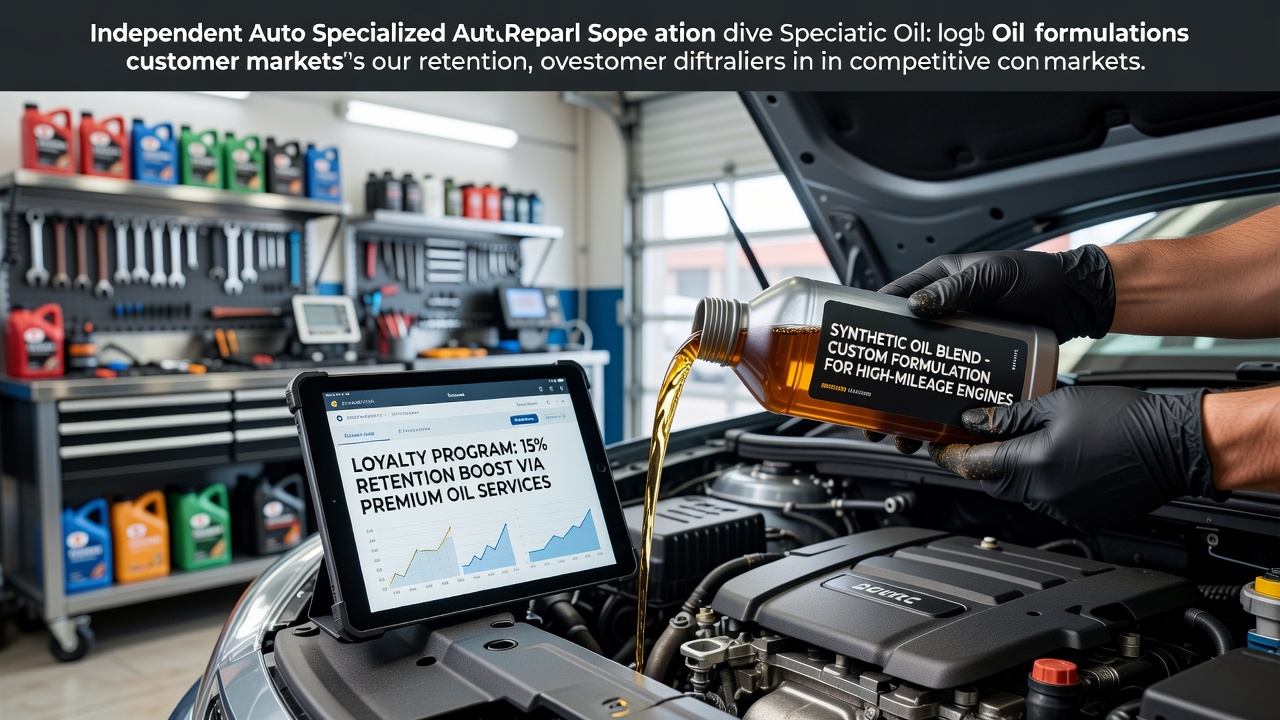
Independent shops compete against national chains and quick-lube franchises by offering formulations tailored to specific vehicle needs, such as those designed for turbocharged engines or high-mileage applications, and this customization encourages customers to return for follow-up services rather than seeking cheaper alternatives elsewhere. Technicians who document oil analysis results during routine checks provide tangible evidence of formulation benefits, which helps customers understand why certain products command premium pricing while delivering lower long-term ownership costs. One study of service patterns found that shops incorporating these discussions into their workflow achieved retention rates above industry averages, as clients associated the personalized recommendations with genuine expertise.
What's notable is how these shops integrate formulation knowledge into loyalty programs and service packages, where customers receive reminders based on actual driving conditions instead of generic mileage schedules. Data indicates that such targeted outreach increases the likelihood of scheduled maintenance, and shops using digital tracking tools to monitor vehicle performance metrics often see compounded benefits over multiple visits. In November 2026, several regional auto associations reported rising adoption of these practices among independents seeking to counter online parts retailers and do-it-yourself trends.
Market Dynamics and Competitive Advantages
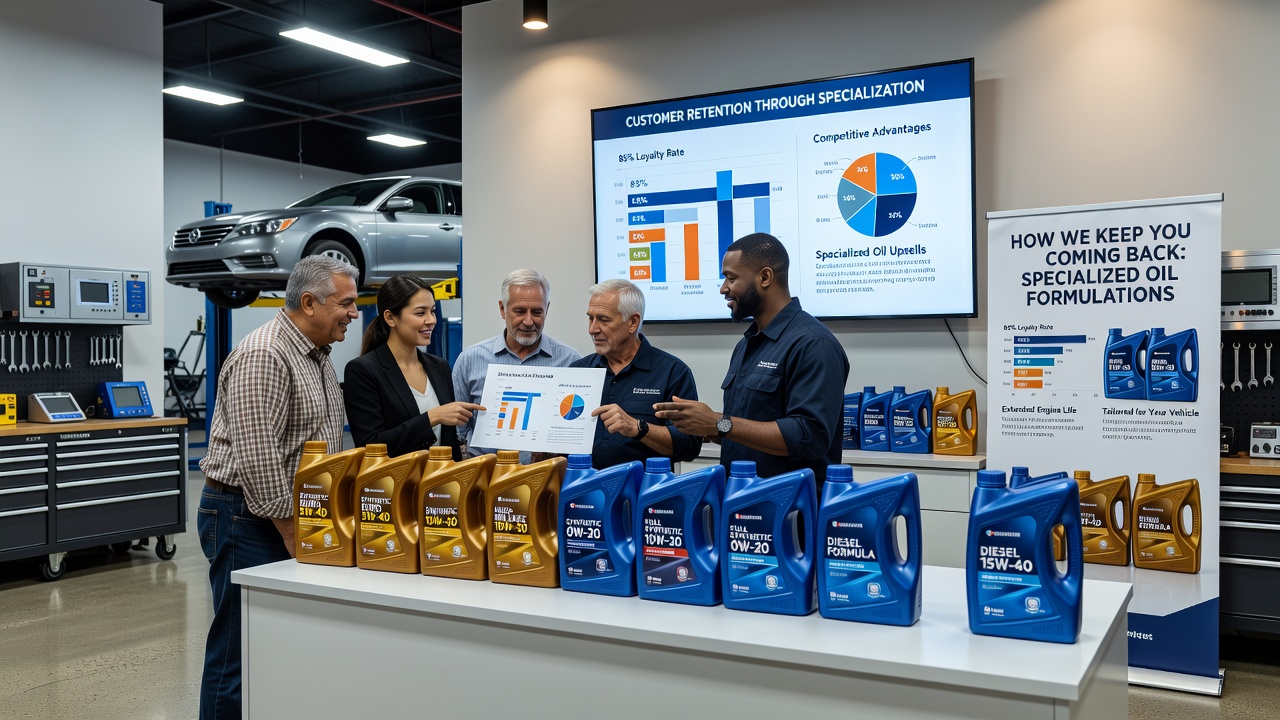
Competitive pressure in urban and suburban markets has pushed independent shops to differentiate through product quality rather than price alone, and specialized oil formulations serve as a visible marker of that commitment when displayed prominently in service areas. According to automotive service data compiled by trade groups, shops that stock a range of viscosity grades and base stock types attract a broader customer base, including owners of performance vehicles and older models that benefit from enhanced additive chemistry. This variety reduces the appeal of competitors who rely on a limited selection of conventional products.
Shops that partner with suppliers offering detailed technical support gain access to training resources that equip staff to answer detailed questions about shear stability and oxidation resistance, and this knowledge transfer translates into more confident customer interactions. Evidence from maintenance logs suggests that vehicles serviced with advanced formulations show improved fuel economy metrics over time, a point shops highlight during annual inspections to reinforce value. Those who've implemented these approaches report steadier revenue streams because satisfied customers recommend the business through word-of-mouth channels that digital advertising alone cannot replicate.
Case Examples from Regional Shops
Take one Midwest shop that introduced ester-based synthetics for European imports and documented a 25 percent increase in annual service contracts within the first year, while similar patterns emerged in Pacific Northwest locations focusing on cold-weather formulations. Research indicates that such targeted rollouts succeed when shops align product selection with local climate demands and common vehicle types in their service area. Observers have tracked how these decisions influence customer lifetime value, particularly when combined with transparent pricing that emphasizes total cost of ownership over upfront fees.
Another example involves a southern U.S. operation that used oil analysis kits to demonstrate wear reduction in fleet vehicles, leading to multi-year agreements with local delivery companies. Data from these programs shows reduced downtime and lower repair frequency, outcomes that strengthen the shop's position against larger competitors with standardized offerings. External validation comes from sources like the American Petroleum Institute standards documentation, which outlines performance benchmarks that specialized formulations must meet to earn certifications.
Conclusion
Independent auto shops that strategically deploy specialized oil formulations build retention by aligning technical advantages with customer education and service consistency, and available industry data supports measurable improvements in loyalty metrics across varied market conditions. This approach continues to evolve alongside engine design changes and regulatory updates on emissions and efficiency, giving shops that stay current a sustained edge in crowded service landscapes.